
Pelvic Health
How the pelvic floor works, what can go wrong, and how physiotherapy assesses and treats it.
Pelvic health refers to how well the muscles, organs, nerves, and connective tissues in and around your pelvis work together. These structures influence bladder and bowel control, sexual function, pelvic organ support, pregnancy and postpartum recovery, movement, comfort, and overall quality of life.
What is pelvic health?
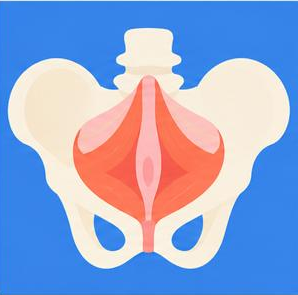
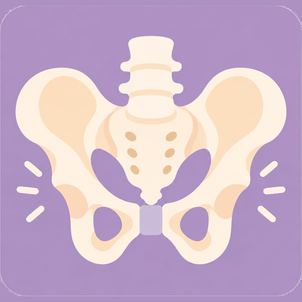
At the base of the pelvis is a group of muscles called the pelvic floor. These muscles form a supportive hammock between the pubic bone and the tailbone. They help:
- Support the bladder, bowel, and reproductive organs
- Control urine, stool, and gas
- Relax for urination and bowel movements
- Contribute to sexual comfort and function
- Manage pressure during coughing, lifting, running, and exercise
- Work with the diaphragm, abdominal muscles, hips, and back to support movement
Pelvic health is more than having “strong” pelvic floor muscles. The muscles must be able to contract, relax, coordinate, and respond at the right time.
What is pelvic floor dysfunction?
Pelvic floor dysfunction occurs when the pelvic floor muscles or surrounding structures are not working as effectively or comfortably as they should. The muscles may be:
- Weak or lacking endurance
- Overactive, tense, or painful
- Difficult to relax
- Poorly coordinated with breathing and movement
- Affected by injury, surgery, pregnancy, childbirth, hormonal changes, or other health conditions
This is why Kegel exercises are not appropriate for everyone. Someone with an overactive or painful pelvic floor may need relaxation, coordination, and breathing strategies — not simply more strengthening.
How the muscles may behave
Weak
Low strength or endurance — not enough support and control.
Overactive
Held constantly tense — the muscles struggle to fully relax.
Coordinated
Contracts and relaxes on cue, with the right timing.
Care for the whole system
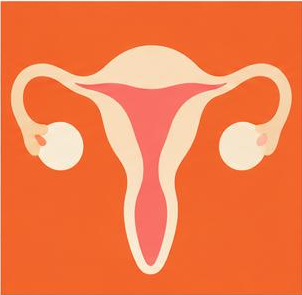
Every part of your pelvic health
From bladder and bowel to reproductive and pelvic-floor health, we assess and treat the whole picture — not one symptom in isolation.


Signs you may benefit from pelvic health physiotherapy
Consider speaking with a pelvic health physiotherapist if you experience any of the following. These symptoms are common, but they should not automatically be accepted as a normal part of pregnancy, aging, sport, or parenthood.
Bladder symptoms
- Urine leakage with coughing, sneezing, laughing, lifting, or exercise
- A sudden or difficult-to-control urge to urinate
- Frequent urination, or waking repeatedly at night
- Difficulty starting or fully emptying your bladder
Bowel symptoms
- Constipation or frequent straining
- Difficulty emptying your bowels
- Accidental loss of stool or gas
- Pain with bowel movements
Pelvic pain & sexual health
- Pelvic, vaginal, vulvar, penile, testicular, rectal, or tailbone pain
- Pain with penetration, intercourse, or pelvic examinations
- Pain associated with endometriosis or other pelvic conditions
- Persistent tension or pressure in the pelvic area
- Concerns affecting sexual comfort or function
Pelvic organ support
- Vaginal heaviness, pressure, or bulging
- Symptoms associated with pelvic organ prolapse
- Difficulty exercising or lifting because of pelvic pressure
Pregnancy & postpartum
- Pelvic girdle, pubic bone, hip, or lower-back pain during pregnancy
- Preparation for birth and postpartum recovery
- Perineal tearing, episiotomy, or caesarean birth recovery
- Abdominal wall changes, including diastasis recti
- Returning safely to running, lifting, sport, or sexual activity
Perimenopause & menopause
- Bladder, pelvic pain, or prolapse symptoms during perimenopause and menopause
- Changes in tissue comfort and pelvic support as hormones shift
Risk factors for pelvic floor dysfunction
Pelvic floor dysfunction can affect people of any gender or age. It develops when the pelvic floor muscles and supporting tissues become weakened, overactive, injured, or poorly coordinated. Usually several factors contribute over time rather than one single cause. Common risk factors include:
- Pregnancy and childbirth, particularly vaginal birth, assisted delivery, prolonged pushing, or significant perineal injury
- Increasing age and hormonal changes during perimenopause and menopause
- Chronic constipation or regularly straining during bowel movements
- Persistent coughing caused by smoking, asthma, or respiratory conditions
- Higher body weight, which can increase pressure on the pelvic floor
- Pelvic or abdominal surgery, including hysterectomy and prolapse surgery
- Pelvic injury, radiation therapy, or scar tissue
- Repeated heavy lifting or high-impact activity without adequate pressure management
- Connective-tissue conditions, joint hypermobility, or a family history of pelvic floor disorders
- Neurological conditions affecting pelvic sensation, strength, or coordination
- Diabetes and other conditions that may affect muscles, nerves, or bladder function
- A history of pelvic pain, painful intercourse, or habitual pelvic muscle guarding
Having one or more risk factors does not mean that pelvic floor dysfunction is inevitable, and symptoms can also develop without an obvious risk factor. A pelvic health physiotherapist can assess whether the muscles are weak, tense, painful, or poorly coordinated, and develop an individualized treatment plan. Seek an assessment if you experience urine or stool leakage, constipation, pelvic pressure or heaviness, pelvic pain, painful sex, difficulty emptying your bladder or bowels, or changes following childbirth or pelvic surgery.
Evidence sources
NICE NG210 — Pelvic floor dysfunction: prevention and non-surgical management;
NICHD (US National Institutes of Health) — Pelvic Floor Disorders.
What is pelvic health physiotherapy?
Pelvic health physiotherapy is a specialized area of physiotherapy focused on bladder, bowel, sexual, and pelvic floor function. It also considers how the pelvis works with your breathing, abdominal wall, spine, hips, and daily activities.
At SOMOM Pelvic Health & Family Wellness, in Toronto’s High Park, care begins with a private conversation about your symptoms, medical history, goals, and concerns. Your physiotherapist may assess:
- Breathing and pressure management
- Posture, movement, and lifting strategies
- Abdominal, hip, back, and pelvic muscle function
- Pelvic floor strength, endurance, relaxation, and coordination
- Scar mobility and tissue sensitivity
- Bladder, bowel, and exercise habits
An internal vaginal or rectal examination may be offered when clinically relevant, but it is never automatic or required. It is performed only with your informed consent, and you may decline or stop the examination at any time.
How can pelvic health physiotherapy help?
Your treatment plan will depend on what is contributing to your symptoms. It may include:
- Individualized pelvic floor muscle training
- Pelvic floor relaxation and coordination
- Breathing and pressure-management strategies
- Bladder retraining and urgency-management techniques
- Bowel-emptying positions and constipation education
- Manual therapy when appropriate
- Scar and soft-tissue rehabilitation
- Hip, abdominal, back, and whole-body exercise
- Pregnancy and birth preparation
- Postpartum rehabilitation
- Guidance for returning to lifting, running, work, intimacy, or sport
Clinical guidelines support supervised pelvic floor muscle training as a first-line, non-surgical treatment for several forms of urinary incontinence, and as a management option for some prolapse symptoms. Treatment should be based on an individual assessment rather than a universal exercise program.
Evidence source
NICE NG210 — Pelvic floor dysfunction: prevention and non-surgical management.
What the research shows
Pelvic floor physiotherapy is one of the better-studied areas of conservative care. Large systematic reviews and randomized trials support supervised, individualized pelvic floor muscle training as a first-line, non-surgical option for several of the most common concerns.
Bladder leaks (urinary incontinence)
A Cochrane systematic review that pooled 31 trials of 1,817 women found that those who did pelvic floor muscle training were far more likely to report their leaking cured or improved: women with stress incontinence were about eight times more likely, and those with mixed incontinence about five times more likely, to report a cure than women who had no treatment. The reviewers concluded that the evidence supports pelvic floor muscle training as a first-line treatment.1
During and after pregnancy
A separate Cochrane review found that women who had not yet developed leaking and trained their pelvic floor during pregnancy had a substantially lower risk of urinary incontinence in late pregnancy, and a lower risk in the months after birth, compared with usual care — evidence that pelvic floor training can help prevent symptoms, not only treat them.2
Prolapse (pelvic organ support)
In the POPPY trial — a multicentre randomized controlled trial published in The Lancet — women with pelvic organ prolapse who followed an individualized, one-to-one pelvic floor muscle training programme reported fewer and less bothersome prolapse symptoms than women given lifestyle advice alone.3
This is why care starts with an individual assessment rather than a generic exercise sheet: the right plan depends on whether your pelvic floor is weak, overactive, or poorly coordinated, and training works best when it is supervised and tailored to you.
- Dumoulin C, Cacciari LP, Hay-Smith EJC. Pelvic floor muscle training versus no treatment, or inactive control treatments, for urinary incontinence in women. Cochrane Database of Systematic Reviews 2018;10:CD005654.
- Woodley SJ, Boyle R, Cody JD, et al. Pelvic floor muscle training for preventing and treating urinary and faecal incontinence in antenatal and postnatal women. Cochrane Database of Systematic Reviews 2020;5:CD007471.
- Hagen S, Stark D, Glazener C, et al. Individualised pelvic floor muscle training in women with pelvic organ prolapse (POPPY): a multicentre randomised controlled trial. The Lancet 2014;383(9919):796–806.
Considering an assessment?
A pelvic health physiotherapy assessment identifies what is contributing to your symptoms and establishes an individualized plan.
Book an assessment